The Polymer Chemistry Behind High-Performance Dip Nail Systems
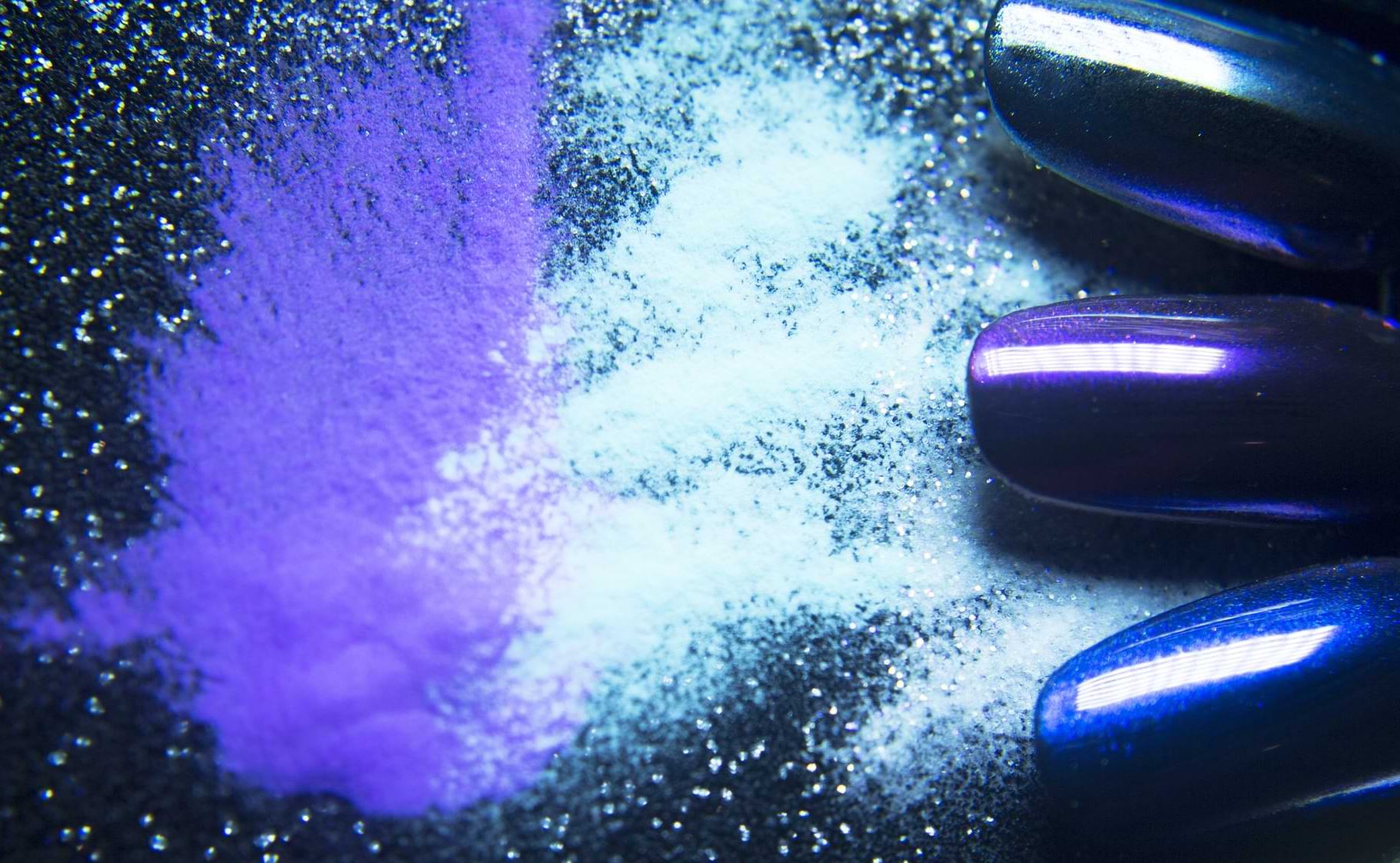
For professional dip nail systems, premium performance relies on advanced polymer chemistry. Utilizing high-quality, engineered acrylic bead resins like Colacryl™ ensures:
In a hurry? Skip the science, request product samples here.
Consumers may see beautiful, finished nails, but nail professionals know real performance starts with the chemistry. In the professional beauty landscape, dip nail coatings have surged in popularity, successfully bridging the gap between the rugged durability of traditional acrylics and the flexible ease of gel polishes. However, as the global market matures, brand formulators face an increasingly sophisticated consumer base and a highly discerning technician workforce that demands flawless application behavior.
Modern acrylic nail systems depend on advanced polymer technology to deliver the handling, cure profile, and durability that technicians expect. For chemical formulators and brand owners, selecting the right polymer base is not merely a standard manufacturing decision – it is the foundational technical element that determines a product’s competitive longevity and marketplace success.
At the heart of every premium dip powder system is the structural integrity of its underlying polymer matrix. Unlike traditional nail enhancements that rely on hand-mixed liquid-and-powder monomer techniques, dip systems use a cyanoacrylate-based adhesive base layer to capture a thin, uniform layer of polymer powder, which is subsequently cured via an activator catalyst.
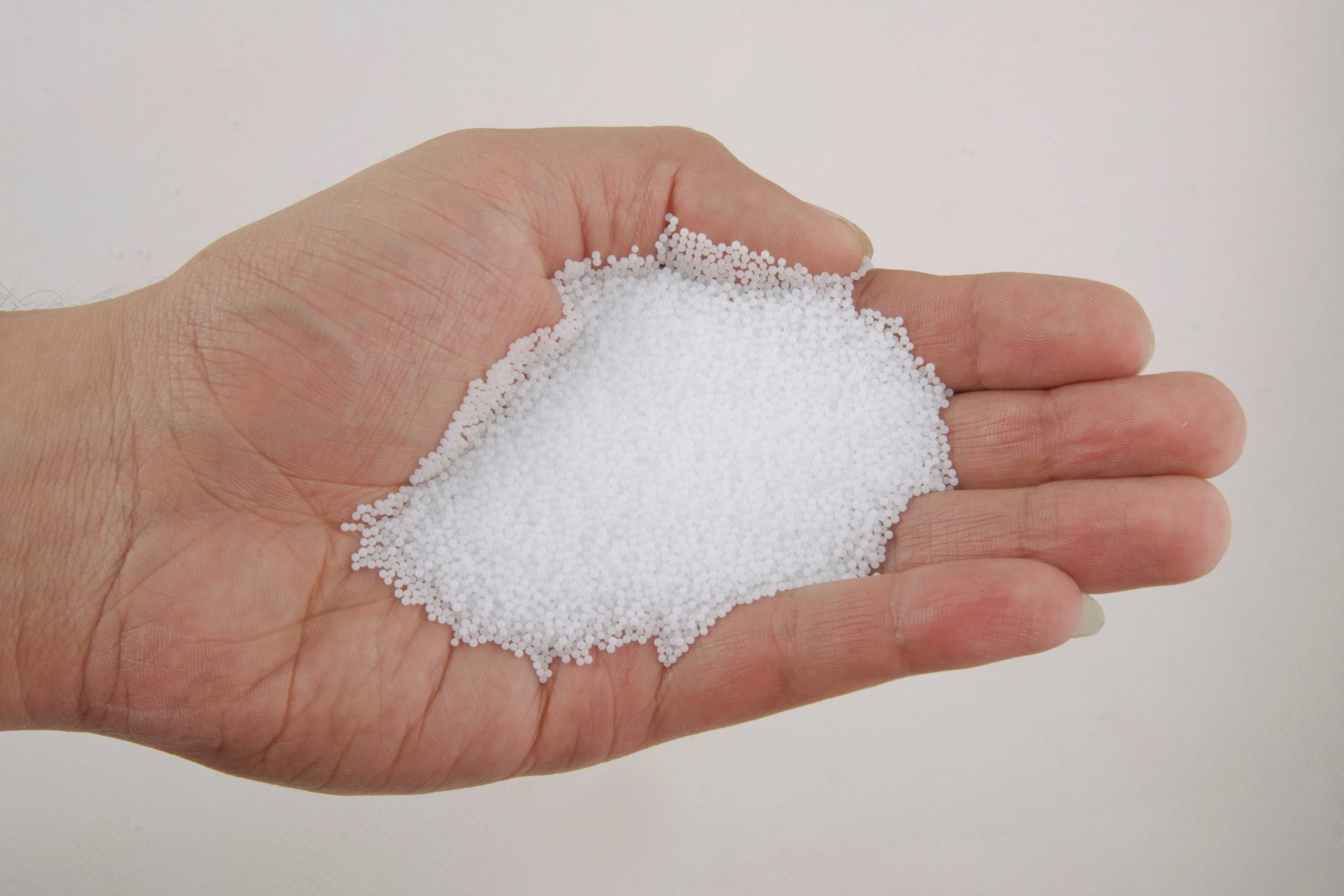
Because the powder must embed itself seamlessly into a thin liquid film without mechanical manipulation from a brush, the physical characteristics of the raw material must be immaculate. Free-flowing Colacryl™ acrylic bead resins with fine particle size distribution offer distinct advantages. When an acrylic polymer bead is engineered via advanced suspension polymerization, it forms a perfectly spherical shape. This geometric perfection grants the powder its fluid-like, free-flowing properties.
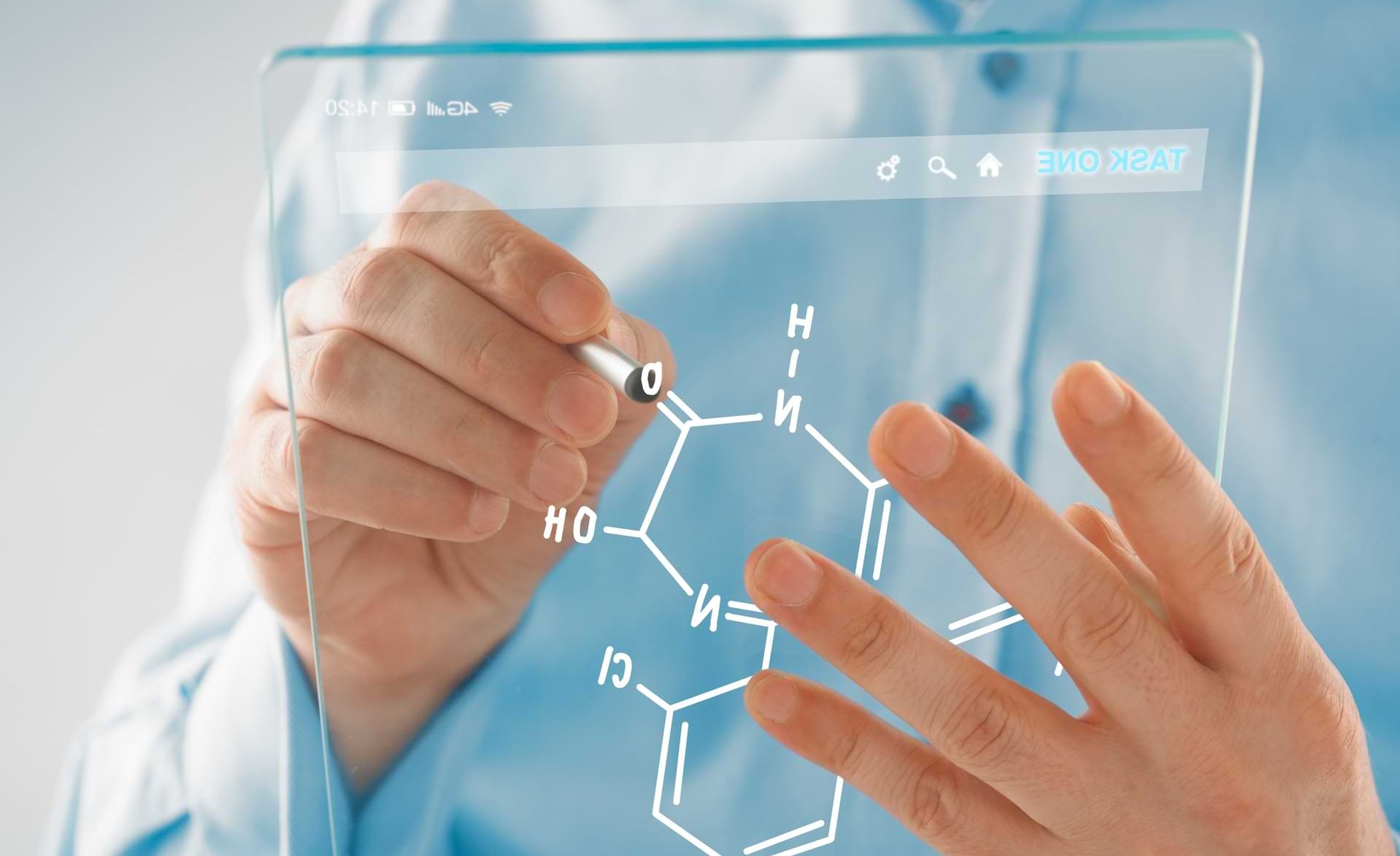
For a commercial brand looking to position its product line at the premium tier, choosing a highly controlled spherical bead resin is the vital first step in ensuring consistent, elite-level results for the end-user.
In the commercial formulation of professional dip nail coatings, particle size distribution (PSD) is a critical performance indicator. A common vulnerability in standard manufacturing runs is utilizing a polymer powder with wide variances in grain size. When large granules are mixed haphazardly with ultra-fine dust, the absorption of the liquid adhesive becomes highly unpredictable, leading to formulation failure on the salon floor.
By narrowing the particle size distribution during chemical synthesis, formulators can achieve an optimized surface-area-to-volume ratio that responds uniformly to liquid thin films.
Fine particles improve blending and pigment dispersion while helping create smoother application and more uniform curing behavior. By narrowing the particle size distribution during chemical synthesis, formulators can achieve an optimized surface-area-to-volume ratio that responds uniformly to liquid thin films.
The ultimate testing ground for any chemical formulation is the professional salon environment, where service time directly impacts profitability. By engineering dip powders with advanced Colacryl™ technology, formulators can directly resolve daily operational challenges. For technicians, that means:
One of the most complex challenges in formulating colored dip systems is preventing pigment separation, flooding, and settling over time. Heavy inorganic pigments (like titanium dioxide) have vastly different densities and surface energies compared to organic polymer powders, often leading to a mottled, streaky appearance on the nail.
Because Colacryl™ resins feature controlled surface chemistry, they act as exceptional dispersing agents for fine cosmetic colorants. During the dry-blending process, pigments coat the surface of the spherical polymer beads evenly. When dipped, the pigment remains perfectly suspended within the setting matrix, delivering deep, vibrant color saturation without shadow lines or white margins.
Furthermore, the base clarity of the polymer itself is paramount. Utilizing optical-grade acrylic bead polymers ensures that neon shades remain electric, pastels stay true, and clear encapsulation powders dry to a glass-like, high-gloss finish.
The kinetic behavior of a dip system determines its structural longevity and resistance to daily wear. When the polymer powder hits the cyanoacrylate base, the beads undergo “swelling” – absorbing the liquid monomer before the final activation step.
Swelling behavior and cure speed must be carefully balanced to give nail artists enough working time without sacrificing productivity. If a polymer swells too quickly, it traps ridges and brush marks into the final design. If it swells too slowly, the powder remains loose and chalky, leading to cracking, chipping, or premature lifting within days of application.
By fine-tuning the molecular weight and polymer chain length during manufacturing, the chemical dissolution rate can be highly controlled. This gives the system a balanced induction period: the technician has ample time to dust off excess powder, while the internal chemistry prepares for an ultra-fast cure once the activator catalyst is applied.
For international cosmetic brands and large-scale beauty distributors, scaling a formulation from a laboratory trial to a commercial manufacturing run presents significant technical risks. A retail formulation is only as dependable as its most volatile production batch; any slight variation can completely alter how a finished powder behaves on the salon floor.
Behind the scenes, advanced production controls must be implemented to maintain uniform polymer structures, predictable flow properties, and stable curing performance across every single cycle.
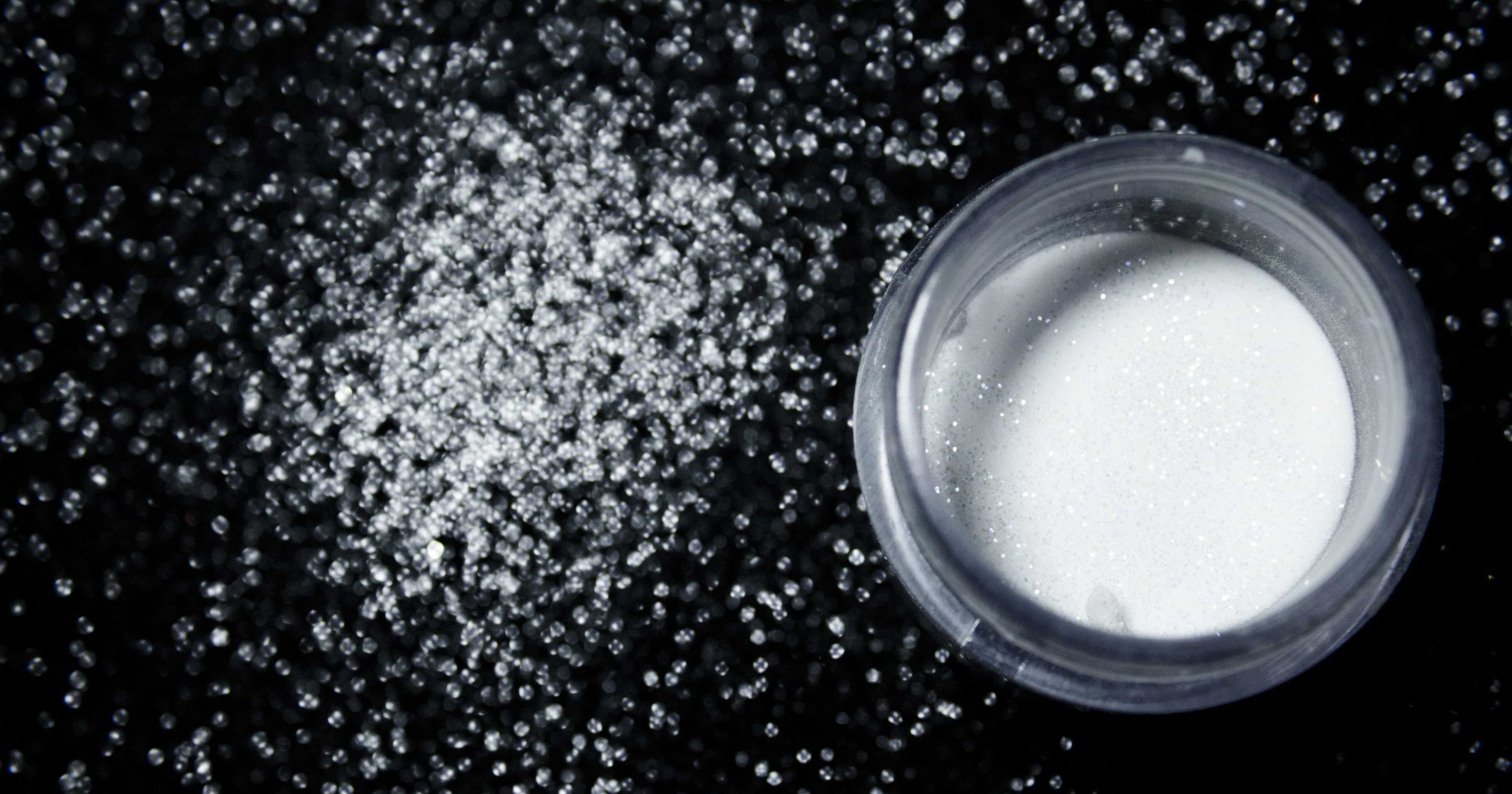
When a commercial brand can guarantee that the jar of dip powder purchased today will perform identically to the jar purchased three years from now, it builds irreplaceable brand equity, secures long-term distribution contracts, and reduces customer churn among professional distributors.
The global nail industry is undergoing a profound paradigm shift. Consumers are demanding healthier, thinner enhancements; salons are prioritizing high-turnover efficiency; and regulatory bodies are implementing stricter safety and transparency guidelines.
True product innovation begins at the molecular level. When brand formulators and polymer scientists co-develop, they create systems that don’t just follow industry standards – they set them.
As trends evolve, formulators require raw material partners that can support innovation while maintaining dependable quality standards. The future of dip coatings lies in creating multi-functional systems—powders infused with targeted vitamins, structural polymers that require fewer layer counts, and low-odor, hypoallergenic compositions.
Advanced acrylic polymers designed for nail applications help brands meet those expectations while delivering a premium experience. By aligning with a manufacturing partner steeped in rigorous polymer synthesis, your brand can confidently pioneer the next generation of high-performance nail coatings.
Interested in learning how Colacryl™ can enhance the performance of your nail formulations? For technical information, product recommendations, or sample requests, please use the link below.
Contact Our Specialty Resins Technical Team & Request Samples